Safety · 8 min read
Nail in Tyre: Leave It In, and Read This First
A nail in tyre tread is not automatically a new-tyre situation. A nail or screw in your tyre isn't automatically a new-tyre situation. Most punctures in the tread area can be properly repaired for £25–£40 if handled correctly. The wrong first move — pulling the nail out yourself — can turn a £30 fix into a £180 replacement. Here's what to do in the right order.
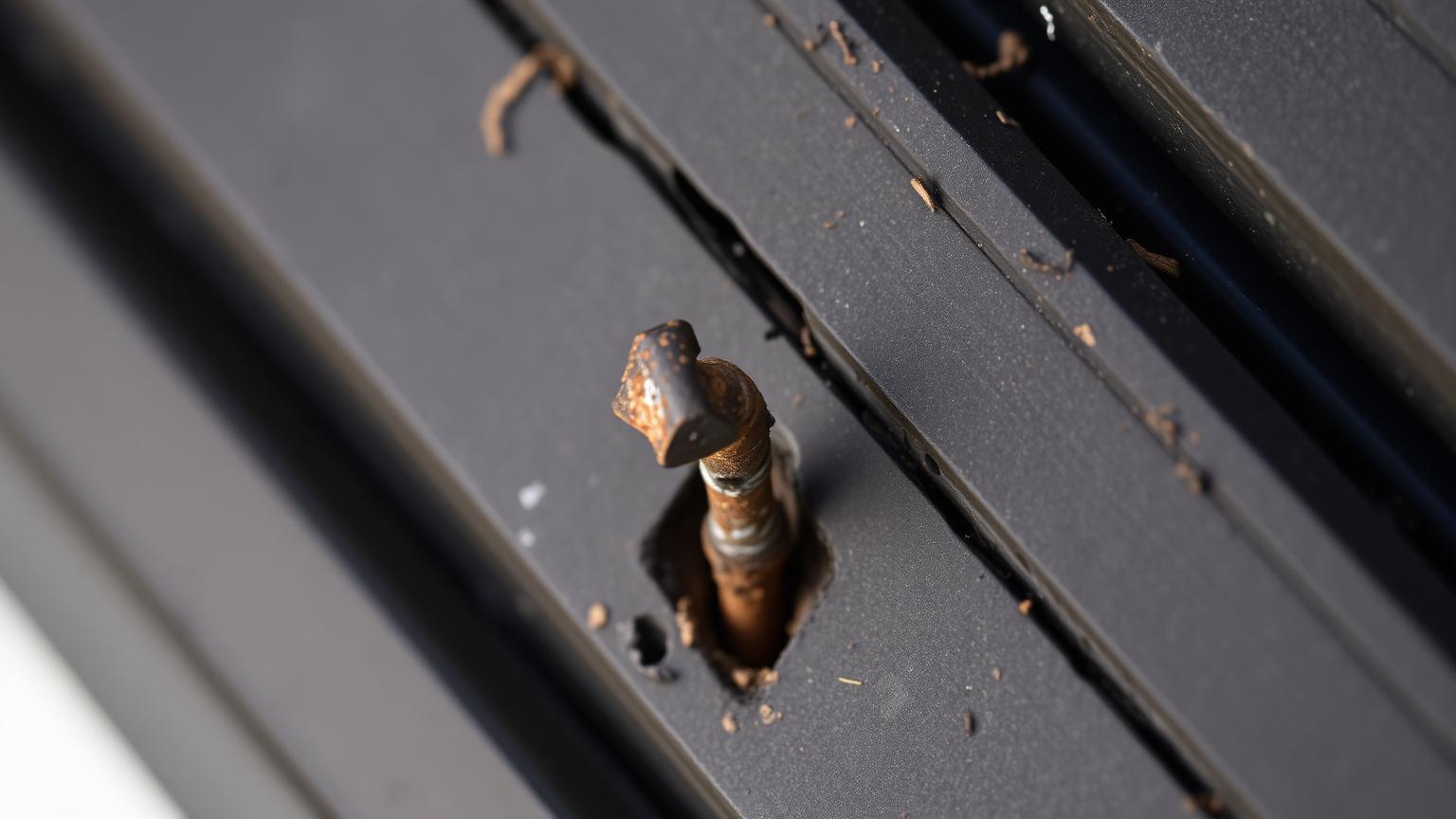
Step 1: Don't pull it out
This is the single most important rule. If a nail or screw is in your tyre and the tyre is still holding air, leave the object in place. It's acting as a plug. Pulling it out turns a slow leak (which you can drive on carefully) into a rapid deflation (which you can't) and can also complicate the repair by pulling internal cords out of place.
Step 2: Check the location
Only punctures in the tread area — the middle 75% of the tyre's width — can be repaired under British Standard BS AU 159. Anything on the shoulder or sidewall is non-repairable. Take a quick look:
- In the main tread grooves or between them: repairable, in almost all cases.
- On the shoulder (the outer edge of the tread pattern where it meets the sidewall): non-repairable.
- On the sidewall: non-repairable, and unsafe to drive on. See our sidewall damage guide.
Step 3: Check the pressure
If the tyre is still at or near the correct pressure and the object is small (nail, screw, small tack), you can drive to a fitter at low speed (under 40 mph) and short distance (under 5 miles). Check pressure again before setting off — if it's dropping by more than 3–5 PSI over 10 minutes, don't drive on it. Call a mobile fitter to the location or get the car recovered.
If the tyre is already flat, don't drive on it even a few hundred yards — you'll destroy the sidewall from within seconds of moving. Fit the spare (if there is one), inflate with a repair kit (as a temporary get-home only), or call a mobile fitter.
Step 4: Get a proper plug-patch, not just a plug
There are three levels of puncture "repair" and only one is legal for road use:
- External plug only ("string plug" or rope plug): pushed in from the outside without removing the tyre. Not compliant with BS AU 159. Fine as a get-you-home fix on remote roads; not a permanent repair.
- Sealant / gunk: the goo from a manufacturer's repair kit. Not a repair — a one-time temporary measure to get you off the motorway. The tyre must be professionally repaired or replaced within 50 miles / 24 hours.
- Internal mushroom plug-patch: the only repair method compliant with the UK standard. The tyre is removed from the wheel, the damage is inspected from the inside, buffed, and a combined plug-patch is vulcanised in. £25–£40. This is what a proper mobile fitter or tyre bay will do.
If a fitter offers a £10 external plug and says "you'll be fine", you probably will be — but you're driving on a technically non-compliant tyre, and if it fails at motorway speed, insurance and MOT will both take a view. Pay the extra £15 and get it done properly.
Flat tyre right now?Message a mobile fitter →Step 5: When repair isn't possible even in the tread area
- Puncture hole larger than 6mm. Beyond the standard's limit.
- Multiple punctures close together (within 40cm of each other).
- Tread depth below 3mm in the repair area — a repaired tyre needs to give the plug enough life to justify the work.
- Tyre run flat any distance. A tyre driven flat for even a mile is internally cooked; the inner liner separates and won't accept a repair.
- Age. Some fitters won't repair tyres over 6 years old, and none should repair over 10.
- Sidewall bulge or damage elsewhere. One issue disqualifies the whole tyre.
How much does a nail-in-tyre repair cost in the UK in 2026?
- Mobile fitter internal plug-patch (to your driveway/office): £30–£45
- Tyre bay internal plug-patch: £20–£35
- Emergency external plug (get-you-home only): £10–£15 (don't use as permanent)
- Replacement tyre if unrepairable: £80–£280 depending on size and brand
"But it's been like that for months and it's fine"
A common story from customers. A screw picked up months ago, tyre topping up on a slow leak, TPMS light nudged out with a top-up every few weeks. Two problems with this:
Need a quote in 30 seconds?Get an instant price →- The moisture that's been getting in around the screw is rusting the internal steel belts. Six months in, the tyre may not be repairable even though it looks fine — the internal damage disqualifies it.
- The under-inflation from constant slow leaks has been wearing the shoulders faster than the rest of the tyre, and possibly damaging the sidewall structurally from heat.
Deal with punctures within days, not months. It's cheaper.
The specific case: run-flat tyres
Manufacturer policy on run-flat tyre repair is fragmented. Some brands (Bridgestone, Michelin) permit repair on run-flats that haven't been driven on flat. Others (Pirelli, Continental) forbid repair on their run-flats regardless. Check the sidewall for the run-flat marking (RFT, SSR, ZP, RunOnFlat, etc.) and either check the brand's official policy or default to replacement. Run-flats also cost more, so getting the right answer matters.
TL;DR
- Don't pull the nail out.
- Check location — tread area = usually repairable, shoulder/sidewall = replace.
- Drive slowly and briefly to a fitter, or call mobile to your location.
- Insist on internal plug-patch, not a string plug.
- Get it done within days, not weeks.
Frequently asked questions
Should I pull the nail out of my tyre?
No. Leave it in — it's acting as a plug. Pulling it out turns a slow leak into a rapid deflation and can damage the internal cords.
Can I drive with a nail in my tyre?
If the tyre is still holding pressure and the nail is in the tread area (not the shoulder or sidewall), you can drive short distances at low speed to a fitter. Check pressure first. Don't drive on a flat tyre.
How much does it cost to repair a nail in a tyre in the UK?
£20–£45 for a proper internal plug-patch. If a fitter offers a £10 external string plug, that's not compliant with BS AU 159 — pay the extra for the correct repair.
Can any nail-in-tyre be repaired?
No. Punctures over 6mm, on the shoulder or sidewall, or on tyres driven flat, older than 10 years, or with tread below 3mm cannot be repaired. Location and condition decide it.
Need help right now?
Send your postcode and tyre size (e.g. 225/45 R17) and we'll dispatch the closest mobile fitter.
Get a mobile fitter →Mobile tyre fitting in your area
Book a mobile tyre fitter